Overview
At a glance
Is this game right for my group?
ABG editorial scores on a 1–5 scale.
Harder to teach
High replayability
Highly interactive
Scales well
Deep strategy
How it plays
How does it play?
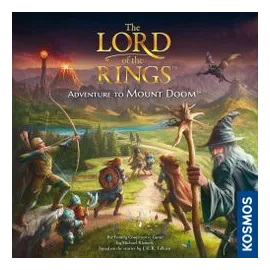
In The Lord of the Rings: Adventure to Mount Doom, players follow the story of Frodo's perilous journey to destroy the One Ring in the fires of Mount Doom.
Core mechanisms
Key systems that shape the decisions players make.
Read the full game description
In The Lord of the Rings: Adventure to Mount Doom, players follow the story of Frodo's perilous journey to destroy the One Ring in the fires of Mount Doom. He is accompanied by his familiar fellowship, who are charged with protecting him from the dangers he will face along the way. The players control the fortunes of this company together by moving the individual figures across the game board on a journey through many well-known places from the beloved Lord of the Rings novels. It is important to beware of the Nazgul while at the same time making sure that Frodo does not lose his confidence and freeze in despair. When Frodo reaches Mount Doom, the players have all won together. The movement of the characters is controlled by a special dice mechanism. Colored dice determine which figure can be moved. Your dice value determines the number of spaces a figure can travel. By choosing the dice before and after the roll, players are faced with decisions that are seemingly uncomplicated, but nevertheless significant for the outcome of the game. Black dice, which always must be rolled, trigger threats or cause encounters with enemies or friends. The encounter cards ensure the continuous, ever-growing threat to completing the quest. As in most co-operative games, players must coordinate their moves and actions with each other to ensure the desired outcome. —description from the publisher