Overview
At a glance
Is this game right for my group?
ABG editorial scores on a 1–5 scale.
Harder to teach
High replayability
Highly interactive
Scales well
Deep strategy
How it plays
How does it play?
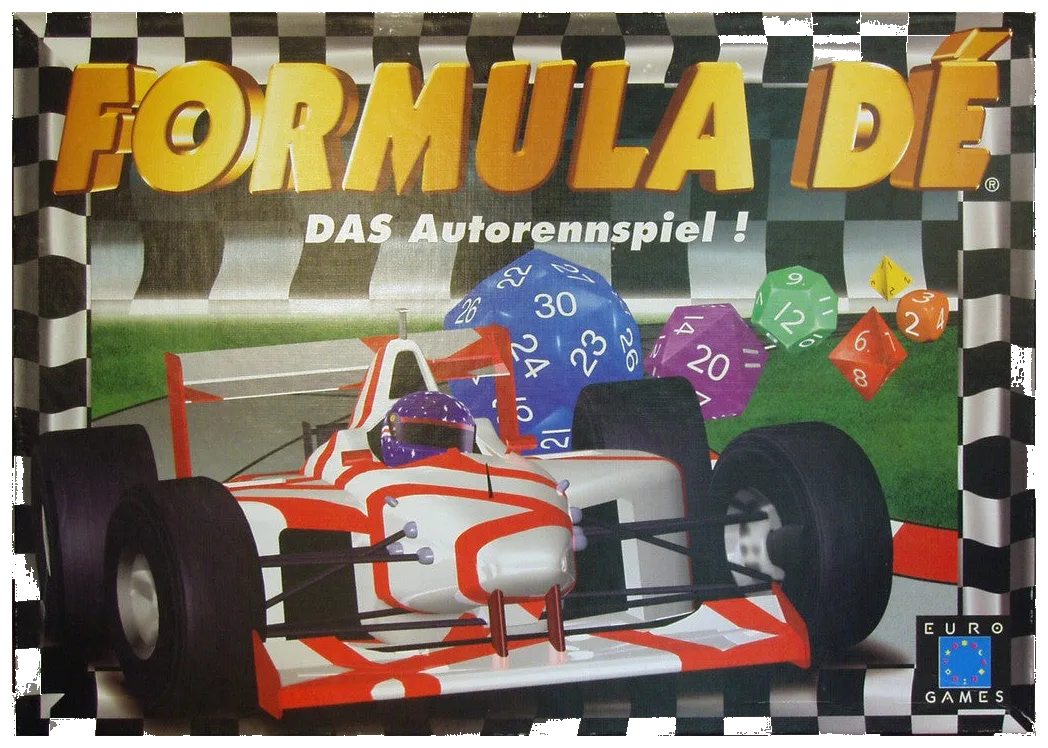
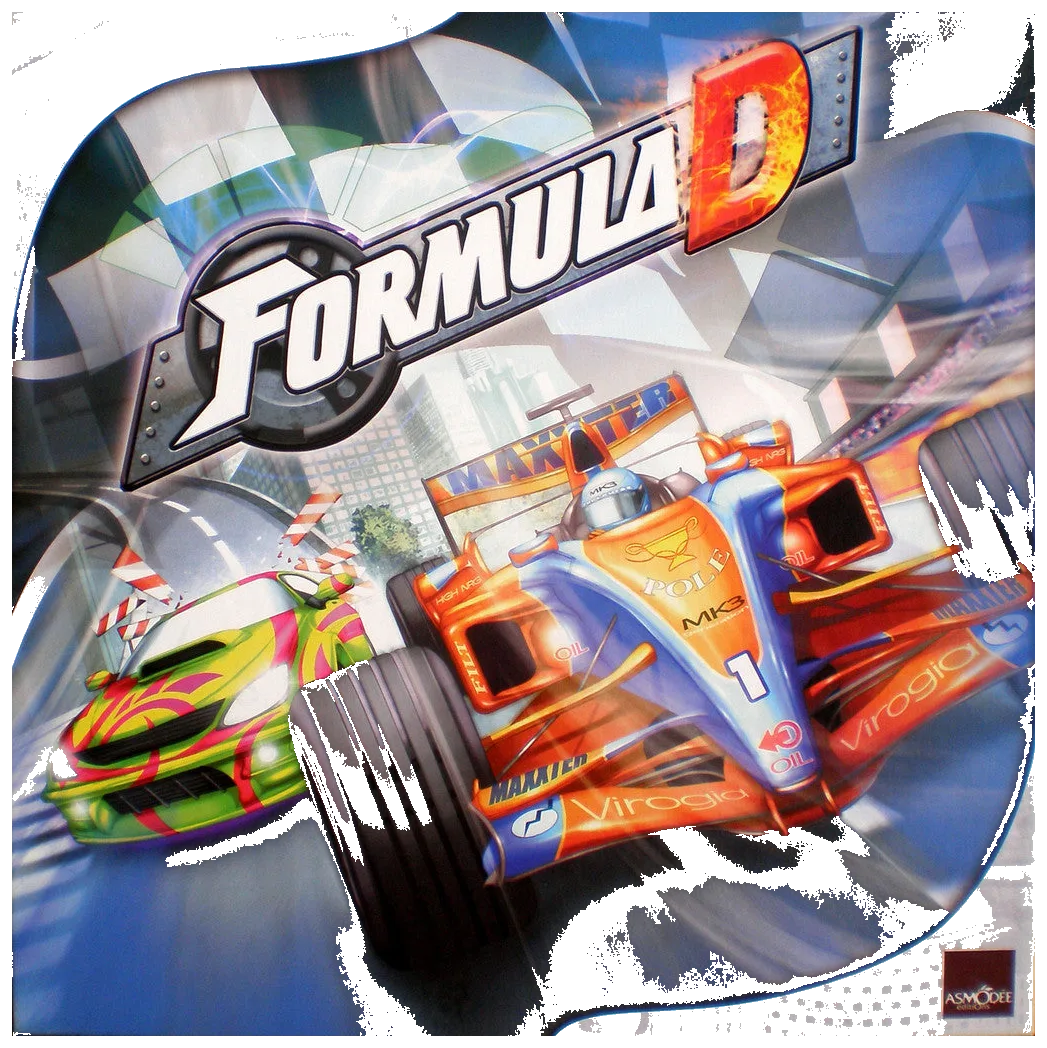
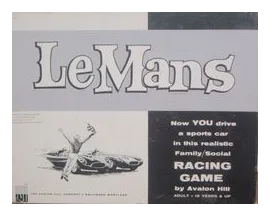
The great-grandfather of today's racing games, elements of Le Mans are clearly evident in games like Formula Dé.
Core mechanisms
Key systems that shape the decisions players make.
Area Movement
Move pieces between connected regions rather than along individual spaces.
Dice Rolling
Roll dice to introduce uncertainty into actions, production, movement, or resolution.
Push Your Luck
Choose whether to secure current gains or risk them for a larger reward.
Paper-and-Pencil
Record choices and results directly on a personal sheet.
Events
Triggered events alter the shared state, rules, or available choices.
Read the full game description
The great-grandfather of today's racing games, elements of Le Mans are clearly evident in games like Formula Dé. Le Mans offers the choice of twelve different car specifications that detail the number of spaces the car travels in each gear and which gears the cars can safely negotiate turns. Also, the different car types have different braking characteristics. The game includes two tracks printed on the same board, Monte Carlo and Le Mans. Each track is only two lanes wide, and the spaces on the track are only a half-car-length, so a car takes up two spaces at once. The cars move in order of track position. Each turn, a car may either remain in the same gear, shift up one gear, or shift down according to the car's specifications. It must then move the exact number of spaces required by the particular model of car in the specified gear. When cornering, if a car exceeds the gear specified for the particular model of car, it must "take a chance." The driver must roll the die to determine if the car safely cornered, spun out, crashed, or damaged the car such that a pit stop is required. If a car spins out, a "wet track" marker is placed on the corner, subsequently requiring all cars to roll for a chance when going through it. If a car is blocked and cannot move the entire number of spaces required (and the car has no more hard braking left and cannot down shift enough), the cars collide. Collisions require that the involved cars make a pit stop for repairs. Optional rules include guidelines for slipstreaming, over-revving to move an extra space, and details of team, solo, and timed play, and "Le Mans-style" starts. The game is a revised version of Wright-Mudge Enterprises' Grand Prix: A Sports Car Racing Game.