Overview
At a glance
Is this game right for my group?
ABG editorial scores on a 1–5 scale.
Harder to teach
High replayability
Highly interactive
Scales well
Deep strategy
How it plays
How does it play?
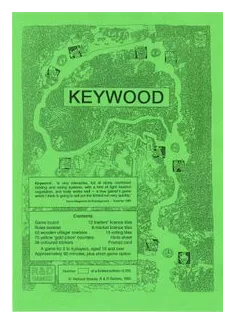
from Game Cabinet Review: 2 - 5 players attempt to settle and govern a new land of six villages. Each player may only introduce two new villagers per turn across five or six turns total.
Core mechanisms
Key systems that shape the decisions players make.
Read the full game description
from Game Cabinet Review: 2 - 5 players attempt to settle and govern a new land of six villages. Each player may only introduce two new villagers per turn across five or six turns total. Villagers start as farmers earning a fixed income. Part of that income may be spent to purchase trade licenses which allow your villagers to set up as traders. Traders earn an income based on the population of their village. Each village must also elect a representative to government each turn. These councilors move to town and have no income for that turn (so much for realism - there is no provision for special interest groups or political action committees!). The government must decide whether to tax the farmers, tax the traders, or revoke one type of trade license. When this session of government breaks up councilors can either pay their own way home or pay a small fee and remain in government for another turn (well, at least that sounds realistic!). Each turn a new marketplace is opened which doubles the income of the host village. The villages bid fiercely for the right to host the new market each turn. Finally, the villagers and traders earn income and pay their taxes. The player that has the most money after the last round of play inherits control of the lands of Keywood and wins the game. Keywood is Richard Breese's first game in the key series.