Overview
At a glance
Is this game right for my group?
ABG editorial scores on a 1–5 scale.
Harder to teach
High replayability
Highly interactive
Scales well
Deep strategy
How it plays
How does it play?
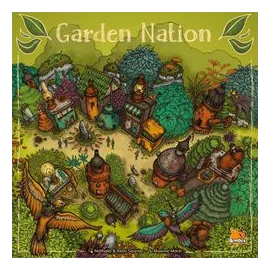
In Garden Nation, the four clans wish to build a city on the seven territories of the garden, but each is trying to gain the upper hand. In the game, you construct buildings by rearranging coffee pots or bird feeders to complete official projects and secret missions.
Core mechanisms
Key systems that shape the decisions players make.
Read the full game description
In Garden Nation, the four clans wish to build a city on the seven territories of the garden, but each is trying to gain the upper hand. In the game, you construct buildings by rearranging coffee pots or bird feeders to complete official projects and secret missions. Each new floor costs more and more inhabitants. However, once the goal is reached, the colors of these people float there, thus validating these common projects. The other leaders might not let this stand, however, and will invade the buildings of opponents to try to take them back. To impose your choices on others, you must master the art of this war, deciding who will play after you and where they will have to go. Your main actions during play are to build or abandon a building; validate a common project; and move the "Torgrue", then choose the next player. Over the course of play, the 3D city progressively grows on the board, with the location of your action determining where the next action will be carried out, and with you deciding who will act.