Overview
At a glance
Is this game right for my group?
ABG editorial scores on a 1–5 scale.
Harder to teach
High replayability
Highly interactive
Scales well
Deep strategy
How it plays
How does it play?
Fictionary is a game played with a dictionary. Each player takes two sheets of paper.
Core mechanisms
Key systems that shape the decisions players make.
Read the full game description
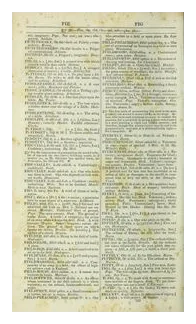
Fictionary is a game played with a dictionary. Each player takes two sheets of paper. One will be used for definitions, and each player writes their name on top of it; the other will be used for guesses. One of the players takes the dictionary and looks for an obscure word that they think none of the players will know (i.e. eguzla, exarch or jabot). That player spells out the word and announces what what kind of word it is (verb, name, adjective, etc). Each player must now imagine and write down a plausible and convincing definition for this word. The player with the dictionary writes the true definition. When all players have written their definition down, the player with the dictionary takes all sheets, shuffles them and reads aloud all the definitions. If necessary, definitions may be repeated. Each player apart from the announcer must then write on their guess sheet who, in his opinion, has written each definition. When all players have written their definitions, the player with the dictionary unveils the truth and tells who wrote what. Each player scores: 2 points if they chose the dictionary definition 1 point for each other player they correctly identified 1 point for each player who was tricked into thinking their definition was the dictionary's one If no one guessed what the true definition was, the player with the dictionary scores as many points as there are players. When all players have scored their points, the player with the dictionary gives it to the player on his left. Play goes on until each player has had the dictionary once or twice. Fictionary is also described at Wikipedia. Balderdash is a popular commercial version of this game