Overview
At a glance
Is this game right for my group?
ABG editorial scores on a 1–5 scale.
Harder to teach
High replayability
Highly interactive
Scales well
Deep strategy
How it plays
How does it play?
Linked game discovered from BGG. Full scrape pending.
Core mechanisms
Key systems that shape the decisions players make.
Communication Limits
Rules restrict what players may say, show, or reveal while cooperating.
Push Your Luck
Choose whether to secure current gains or risk them for a larger reward.
Memory
Remember previously revealed information, positions, or sequences.
Team-Based Game
Players compete in fixed teams and coordinate toward a shared team result.
Read the full game description
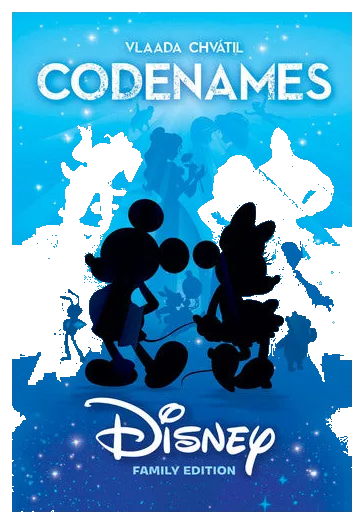
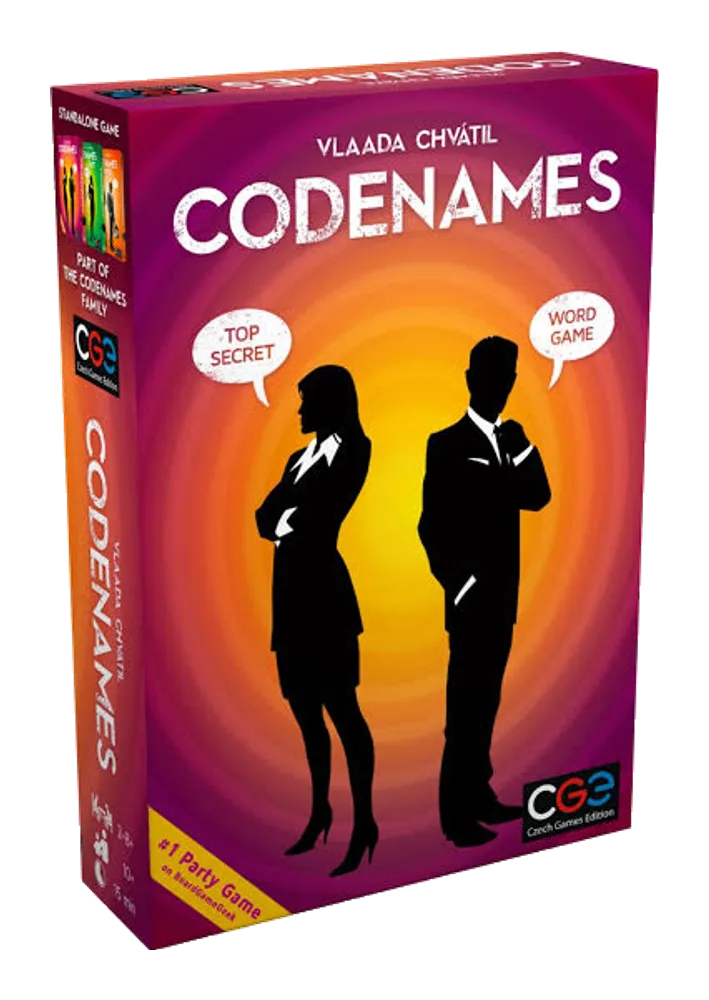
Two rival spymasters know the secret identities of 25 agents. Their teammates know the agents only by their codenames — single-word labels like "disease", "Germany", and "carrot". Yes, carrot. It's a legitimate codename. Each spymaster wants their team to identify their agents first...without uncovering the assassin by mistake. In Codenames, two teams compete to see who can make contact with all of their agents first. Lay out 25 cards, each bearing a single word. The spymasters look at a card showing the identity of each card, then take turns clueing their teammates. A clue consists of a single word and a number, with the number suggesting how many cards in play have some association to the given clue word. The teammates then identify one agent they think is on their team; if they're correct, they can keep guessing up to the stated number of times; if the agent belongs to the opposing team or is an innocent bystander, the team's turn ends; and if they fingered the assassin, they lose the game. Spymasters continue giving clues until one team has identified all of their agents or the assassin has removed one team from play.