Overview
At a glance
Is this game right for my group?
ABG editorial scores on a 1–5 scale.
Harder to teach
High replayability
Low interaction
Scales well
Deep strategy
How it plays
How does it play?
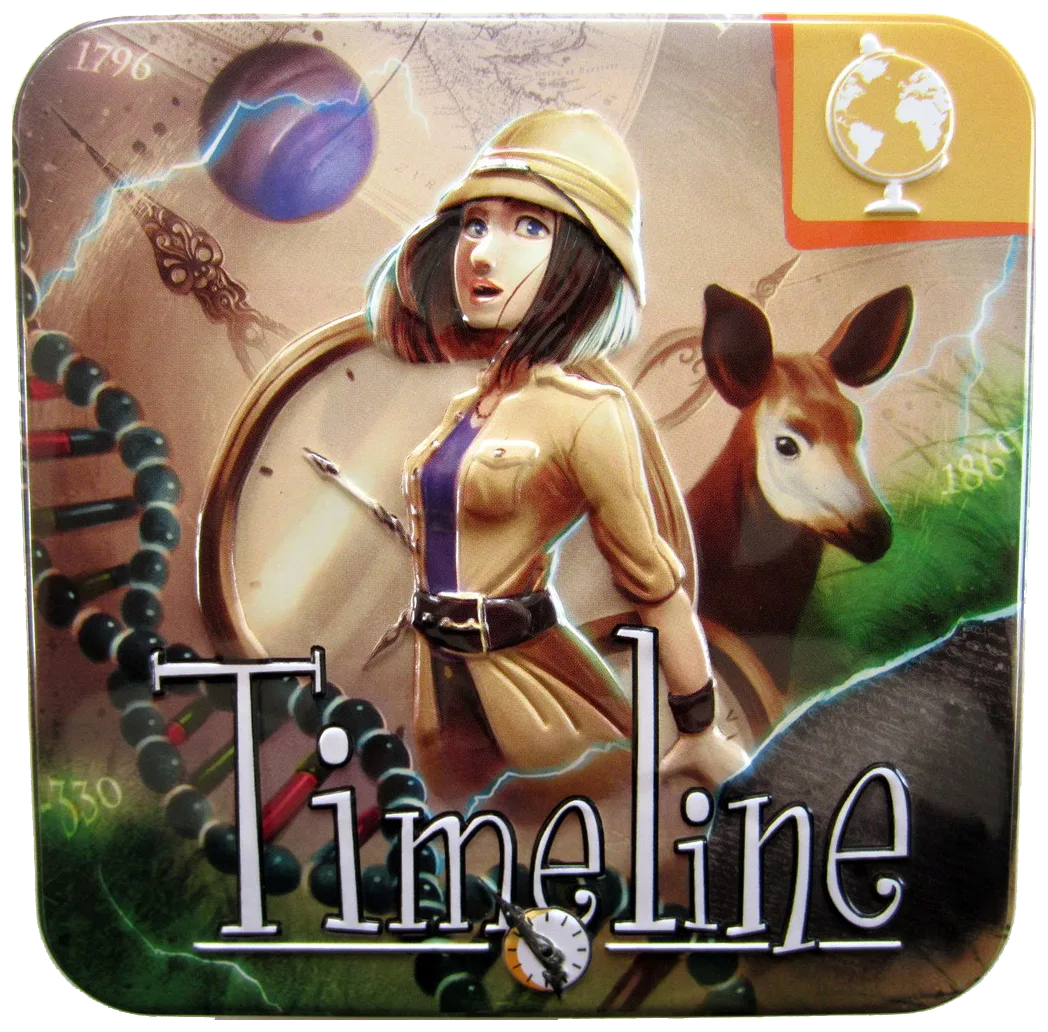
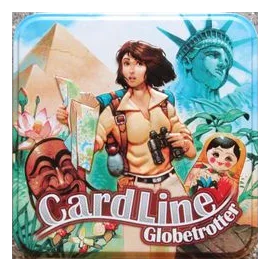
Like its predecessor Cardline: Animals, players of Cardline: Globetrotter want to rid themselves of cards as quickly as they can, with the first player to have an empty hand winning the game. The game includes approximately 100 cards.
Read the full game description
Like its predecessor Cardline: Animals, players of Cardline: Globetrotter want to rid themselves of cards as quickly as they can, with the first player to have an empty hand winning the game. The game includes approximately 100 cards. Both sides of each card depict a country, while only one side of the card includes information about that country's size, population, GDP, and CO? emissions. For each game, players decide before playing which of these four country traits they'll compare. At the start of the game, each player places a number of country cards on the table in front of her with the characteristics hidden. One card is placed in the center of the table with its characteristics revealed. Players then take turns placing a card from their tableau in a row on the table; a player can place a card between any two other cards or at either end of the row. After placing the card, the player reveals the characteristics on it. If the card was placed correctly – that is, with the particular characteristic in numerical order compared to all other cards on the table – the card stays in place; otherwise the card is removed from play and the player takes another card from the deck and adds it to her tableau. The first player to get rid of all her cards by placing them correctly wins. If multiple players go out in the same round, then everyone else is eliminated from play and each of those players are dealt one more card for another round of play. If only one player has no cards after a bonus round, she wins; otherwise play continues until a single player goes out.