Overview
At a glance
Is this game right for my group?
ABG editorial scores on a 1–5 scale.
Harder to teach
High replayability
Low interaction
Scales well
Deep strategy
How it plays
How does it play?
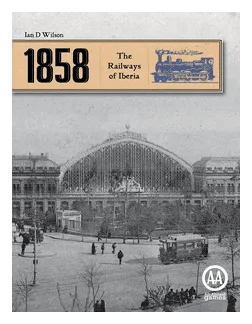
A mid-size 18xx game set in Spain and Portugal. Features include: two gauges of track; 22 private companies which build track and are exchanged for shares in public companies; 5-share and 10-share public companies; four types of train; and a two-stage obsolescence of trains.
Core mechanisms
Key systems that shape the decisions players make.
Read the full game description
A mid-size 18xx game set in Spain and Portugal. Features include: two gauges of track; 22 private companies which build track and are exchanged for shares in public companies; 5-share and 10-share public companies; four types of train; and a two-stage obsolescence of trains. In stock rounds, privates are auctioned and public company shares are exchanged or bought. In operating rounds, companies lay or upgrade track, place station markers, earn revenues, buy new trains (or trains from other companies), and issue/redeem shares to/from the bank pool. As the game progresses, new train types allow better track to be laid and phase out older trains. The game ends when the bank runs out of money: the winner is the richest player (in cash and share values).